
AI Agent Development Company

AI Agent Development Services That Build Agents That Act, Not Just Respond
A language model that answers questions is useful. An AI agent that takes action is transformative. The difference is autonomy, an AI agent does not wait to be asked. It monitors conditions, makes decisions, calls tools and APIs, executes multi-step tasks, and produces outcomes without requiring a human to initiate every step. AI agent development services build these autonomous systems for the specific workflows, data environments, and compliance requirements of the business. The result is a capability that operates continuously, consistently, and at a scale no human team can match.
01
02
03
What AI Agent Development Actually Involves
AI agent development is the engineering discipline of building autonomous AI systems that can plan, reason, use tools, and take actions to complete goals. Unlike a chatbot that responds to a single prompt, an AI agent breaks down a complex goal into steps, executes each step using available tools and APIs, evaluates the result, and adjusts its approach based on what it finds. AI agents development produces systems that handle tasks with multiple dependencies, variable inputs, and decision points that require contextual reasoning rather than rule lookup.
Custom AI Agent Development for Specific Business Workflows
Generic AI agent frameworks provide a starting point. Custom ai agent development builds agents designed for the specific workflows, data sources, compliance requirements, and integration environment of the business. A custom ai agent development company that understands the business context produces agents that operate correctly within the actual constraints of the environment, the APIs that are available, the data that can be accessed, the compliance rules that must be followed, and the escalation paths that apply when the agent reaches a decision it should not make autonomously.
Agentic AI Development Services for Complex Process Automation
Agentic ai development services cover the full spectrum of autonomous AI system development, from single-purpose agents that execute a defined workflow to multi-agent architectures where specialised agents collaborate to complete complex, multi-domain tasks. End-to-end agentic ai development handles every component: the agent architecture, the tool integrations, the memory and context management, the guardrails that prevent the agent from taking actions outside its defined scope, and the monitoring that ensures the agent is performing as intended in production.
AI Agent Development Companies for Small and Medium Businesses
AI agent development companies for SMBs approach the problem differently than enterprise-focused firms. The use cases are narrower, the integration environment is simpler, and the time-to-value requirement is tighter. AI agent development companies for SMBs that deliver value start with a single high-impact workflow, lead qualification, invoice processing, support ticket resolution, build and validate the agent in production, and expand the scope from a proven foundation. Custom ai agent development company engagements for SMBs are scoped proportionately to the business size, not to the capabilities of the technology.
Our AI Agent Development Services
01
Use Case Definition and AI Agent Development Roadmap
02
AI Agent Development Framework Selection
03
Agentic AI Development Company, Tool and API Integration
04
Guardrails, Compliance, and Human-in-the-Loop Design
05
AI Agents Development Services, Testing and Monitoring
What to Look for in an AI Agent Development Company in USA
Use Case Clarity Before Architecture
Guardrails as a Design Requirement
Best AI Agent Development Services Include Integration Engineering
Custom Agentic AI Development Services for Regulated Environments
What an AI Agent Development Engagement Delivers
A completed AI agent development engagement produces:
- A use case definition and ai agent development roadmap covering capabilities, integrations, guardrails, and validation milestones.
- A production-ready AI agent built on the appropriate ai agent development framework for the specific use case and compliance environment.
- Robust tool and API integrations with authentication, error handling, retry logic, and rate limit management.
- Guardrails and compliance controls defining what the agent can do autonomously and what requires human approval.
- Comprehensive testing across normal and edge case scenarios before production deployment.
- Production monitoring with logging of every agent action and alerting on performance degradation.
Frequently Asked Questions
What does an ai agent development company actually build?
How is agentic ai development different from standard AI development?
What guardrails are built into custom ai agent development?
How long does ai agent development take?
Do your agentic ai development services cover SMBs as well as enterprises?
What happens if the ai agent makes a mistake in production?
- AI Agent Development Company
- AI Integration
- Business Process Automation
- Robotic Process Automation
- Workflow Automation
Ready to Build AI Agents That Act on Your Behalf?
AI agents that handle complex, multi-step workflows autonomously represent a meaningful step beyond automation.
Insight That Drives Decisions




Happy Users
Feedback
4.9

2k+ satisfied customers

From the start, Pendoah felt like an extension of our team. They understood where we wanted to take WorkLighter and helped us get there with clarity.
Bill West

Pendoah brought real clarity to the ProVal AI vision. They moved fast, understood the compliance challenges, and delivered a solution that made our validation process more efficient and reliable.
Steven Mattos

Pendoah understood the Lymelyt vision from day one. They helped us turn a complex idea into a polished, video-first platform that feels intuitive, trustworthy, and ready to scale.
Damon Pampolina

Pendoah built Airiam with speed and precision. They understood the product quickly and delivered a solution that improved both performance and user experience.
Greg Elmore
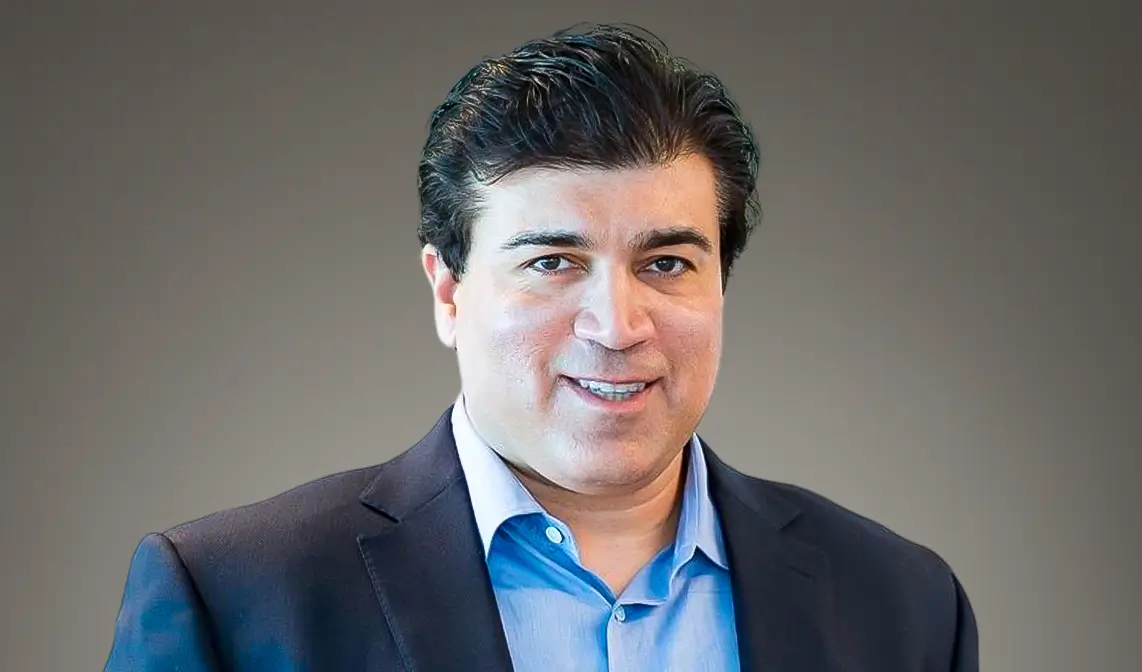
Pendoah was the right partner for GALSI. They combined speed, technical depth, and strong execution to build a platform ready for launch.
Dean Zikria
Let's Turn Your AI Goals into Outcomes. Book a Strategy Call.