
AI Readiness Assessment
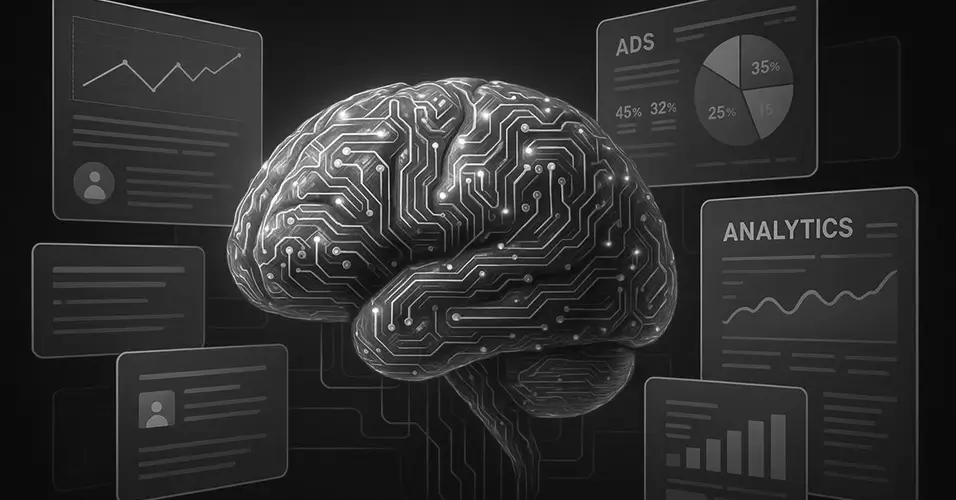
AI Readiness Starts With Knowing Exactly What Is Missing
The most expensive AI mistake is building before assessing. An organisation that invests in AI development without understanding its actual data quality, infrastructure gaps, and organisational constraints produces projects that stall in development, fail to reach production, or deliver results that do not justify the cost. An ai readiness assessment establishes the honest starting point, what the business has, what it needs, and what the realistic path to AI deployment looks like given both. The output is not a report that collects dust. It is the foundation every subsequent AI investment is built on.
01
02
03
What Business AI Readiness Actually Covers
Business ai readiness is the measure of how prepared an organisation is to successfully develop, deploy, and sustain AI systems. It covers four dimensions that each independently determine whether an AI project succeeds or fails. Data readiness, the quality, volume, and governance of the data available for AI. Infrastructure readiness, the compute, storage, and tooling required to build and run AI systems at the intended scale. Organisational readiness, the skills, processes, and leadership alignment needed to manage AI initiatives and act on their outputs. Compliance readiness, the regulatory, security, and governance requirements that govern what the AI system can do and how it handles data.
AI Data Readiness, The Most Common Gap
AI data readiness is the dimension that most frequently determines whether an AI project succeeds or stalls. The most capable model in the world cannot compensate for training data that is incomplete, inconsistently labelled, poorly structured, or not representative of the real-world distribution the model will encounter in production. AI ready data management covers the processes, tooling, and governance needed to produce data that is genuinely fit for AI, not just data that exists and can technically be accessed. Assessing ai data readiness before a model is commissioned is the single most effective risk reduction measure in any AI development programme.
AI Readiness Assessments for Enterprises and Government
AI readiness assessments for enterprises providers and government clients involve additional complexity that standard business readiness assessments do not encounter. Enterprise environments span multiple business units, each with different data maturity levels, different infrastructure stacks, and different compliance obligations. AI readiness assessment for government adds the specific security clearance, data sovereignty, and procurement requirements that public sector AI deployments must satisfy. Both contexts require an assessment approach that handles this complexity rather than applying a single-organisation framework to a multi-domain environment.
Our AI Readiness Assessment Services
01
AI Readiness Assessment Framework Application
02
How Consultants Assess AI Readiness in Businesses
03
Data Quality and AI Ready Data Management Review
04
Infrastructure and Technical Capability Assessment
05
Compliance Readiness for Regulated Industries
What Makes an AI Readiness Assessment Service Actionable
Evidence-Based, Not Interview-Based
Prioritised by Business Impact
Connected to the Development Roadmap
Delivered by the Team That Will Build
What an AI Readiness Assessment Delivers
A completed ai readiness assessment produces:
- A scored readiness profile across data, infrastructure, organisation, and compliance dimensions with evidence supporting each rating.
- A data quality report profiling actual data assets against the requirements of the intended AI use cases.
- An infrastructure gap analysis identifying what compute, tooling, and MLOps capability is needed before AI development can begin.
- A compliance readiness map identifying the regulatory gaps that must be closed before any AI system can be deployed.
- A prioritised gap closure roadmap sequencing remediation in order of business impact.
- An executive summary presenting findings and recommendations to leadership in business terms without technical jargon.
Frequently Asked Questions
What does an ai readiness assessment cover?
How long does an ai readiness assessment service take?
What is the most common business ai readiness gap?
Can AI development begin before all readiness gaps are closed?
What does the ai readiness assessment framework evaluate?
Do you offer ai readiness assessment for government organisations?
Ready to Know Where Your Organisation Actually Stands on AI?
An ai readiness assessment is the most cost-effective investment any organisation can make before committing to AI development.
Insight That Drives Decisions

Happy Users
Feedback
4.9

2k+ satisfied customers

From the start, Pendoah felt like an extension of our team. They understood where we wanted to take WorkLighter and helped us get there with clarity.
Bill West

Pendoah brought real clarity to the ProVal AI vision. They moved fast, understood the compliance challenges, and delivered a solution that made our validation process more efficient and reliable.
Steven Mattos

Pendoah understood the Lymelyt vision from day one. They helped us turn a complex idea into a polished, video-first platform that feels intuitive, trustworthy, and ready to scale.
Damon Pampolina

Pendoah built Airiam with speed and precision. They understood the product quickly and delivered a solution that improved both performance and user experience.
Greg Elmore

Pendoah was the right partner for GALSI. They combined speed, technical depth, and strong execution to build a platform ready for launch.
Dean Zikria
Let's Turn Your AI Goals into Outcomes. Book a Strategy Call.