
Data Modernization

Data Modernization Services for Systems That Have Outgrown Themselves
Legacy systems were built for a different time. They stored data the way businesses used to work, not the way they need to work now. The longer they stay in place, the harder it becomes to run reports, pass audits, feed AI initiatives, or connect new tools to old infrastructure. Data modernization services exist to fix this, not with a rip-and-replace that breaks everything, but with a structured migration that keeps operations running while moving the business forward.
03
04
05
What the Modern Data Stack Actually Means
The modern data stack is the set of cloud-native tools and architecture patterns that have replaced traditional, on-premise data infrastructure over the past decade. It is built for scale, speed, and flexibility. Data flows from source systems into cloud storage, gets transformed through automated pipelines, and lands in analytics and AI tools in near real time. For businesses still running on legacy data systems, the gap between where they are and where the modern data stack sits is where cost, risk, and lost opportunity accumulate.
Data Migration From Legacy Systems Without the Disruption
The biggest concern most businesses have with data migration from legacy systems is not the destination, it is the journey. What happens to live operations during migration? What if historical data does not transfer cleanly? What if the new system misses something the old one handled quietly for years? A well-scoped legacy data migration strategy accounts for all of it. Every migration starts with a full audit of the source system, a data quality pass, and a phased approach that keeps critical operations online throughout.
Data Modernization in Cloud Environments
Cloud platforms have made data modernization faster and more cost-effective than ever. Whether the destination is AWS, Azure, or GCP, cloud-native tools handle the scale, availability, and security requirements that on-premise infrastructure struggles to meet. Data modernization in cloud environments also opens the door to data modernization with Snowflake, Databricks, and other platforms that were previously out of reach for mid-sized businesses. Modern data management becomes significantly more practical when the infrastructure underneath it is built to scale elastically.
Our Data Modernization Services
01
Building Your Data Modernization Strategy
02
Data Platform Modernization
03
Data Warehouse Modernization
04
Automated Data Modernization
05
Data Analytics Modernization
Why Businesses Choose Pendoah for Legacy Data Modernization Services
Migration Without Operational Disruption
Compliance Stays Intact
Modern Data Architecture Consulting Included
Right-Sized for Growing Businesses
What a Data Modernization Engagement Delivers
At the end of a legacy data modernization engagement, clients receive:
- A complete audit of existing legacy data systems with a retirement and migration plan.
- A phased data modernization strategy with milestones, effort estimates, and risk flags.
- A modern data stack architecture designed for the target cloud environment.
- Migrated, validated data with full lineage documentation and quality checks.
- Compliance mapping to ensure regulatory obligations carry across to the new system.
- A handover document and runbook so internal teams can manage and extend the new environment.
Frequently Asked Questions
What is included in data modernization services?
How disruptive is data migration from legacy systems?
Which cloud platforms do you support for data modernization in cloud environments?
How long does a legacy data migration typically take?
What happens to compliance obligations during modernization?
What makes your data modernization solutions different from a standard migration vendor?
Ready to Retire Your Legacy Data Systems?
Legacy data systems do not get easier to modernize the longer they stay in place.
Insight That Drives Decisions

Happy Users
Feedback
4.9

2k+ satisfied customers
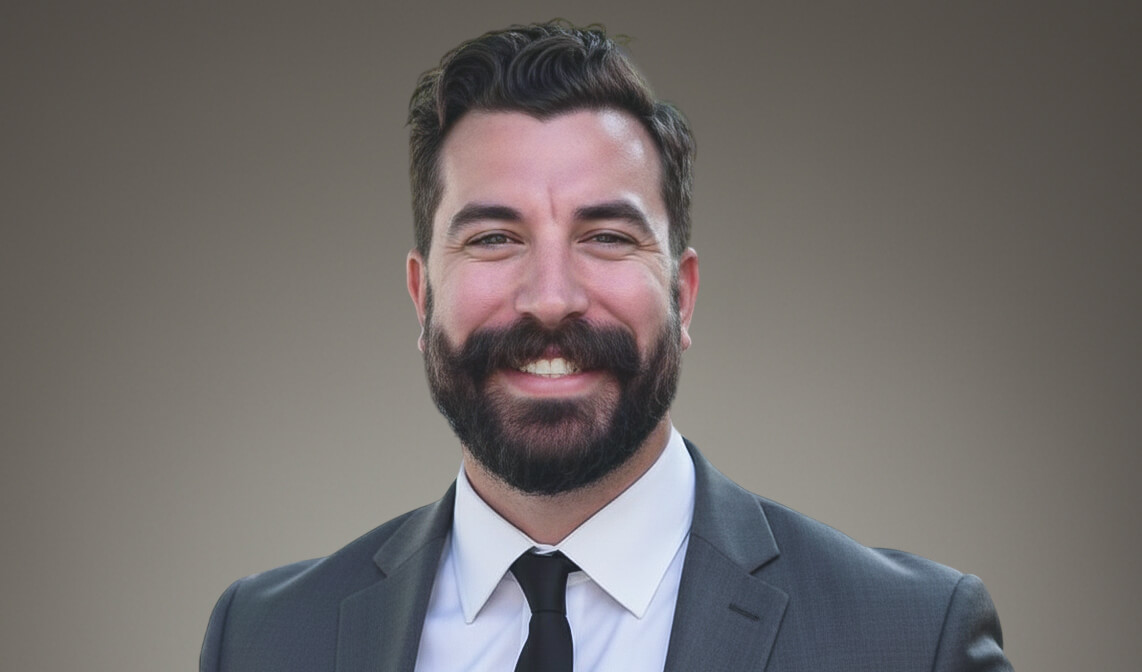
From the start, Pendoah felt like an extension of our team. They understood where we wanted to take WorkLighter and helped us get there with clarity.
Bill West

Pendoah brought real clarity to the ProVal AI vision. They moved fast, understood the compliance challenges, and delivered a solution that made our validation process more efficient and reliable.
Steven Mattos

Pendoah understood the Lymelyt vision from day one. They helped us turn a complex idea into a polished, video-first platform that feels intuitive, trustworthy, and ready to scale.
Damon Pampolina
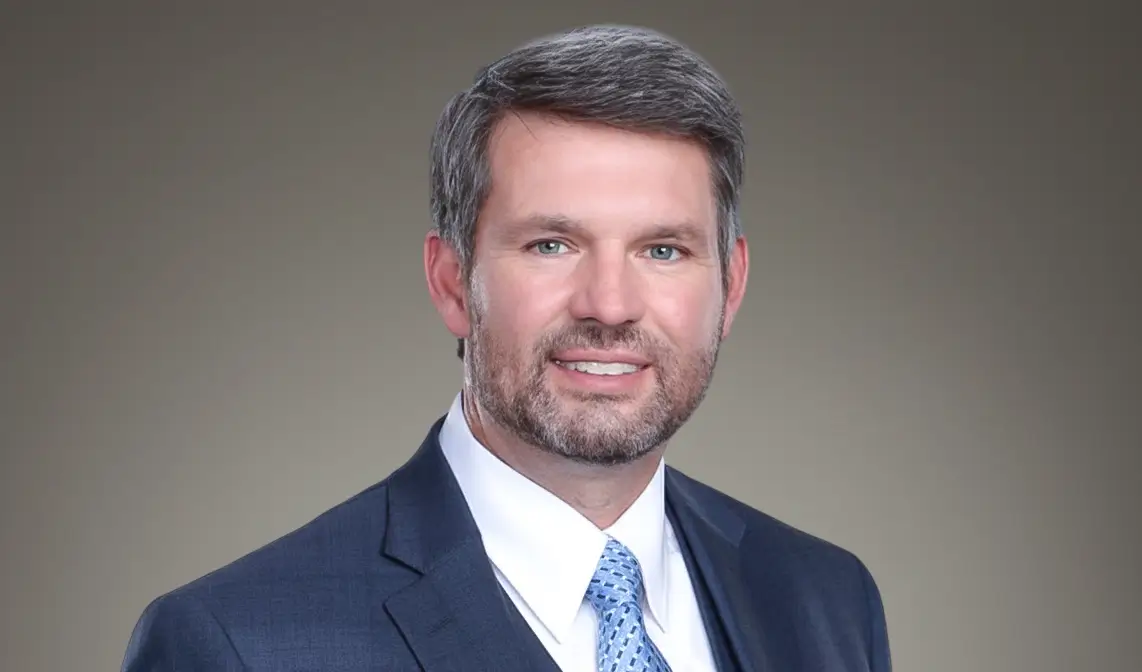
Pendoah built Airiam with speed and precision. They understood the product quickly and delivered a solution that improved both performance and user experience.
Greg Elmore
Pendoah was the right partner for GALSI. They combined speed, technical depth, and strong execution to build a platform ready for launch.
Dean Zikria
Let's Turn Your AI Goals into Outcomes. Book a Strategy Call.