
AI Voice Agent
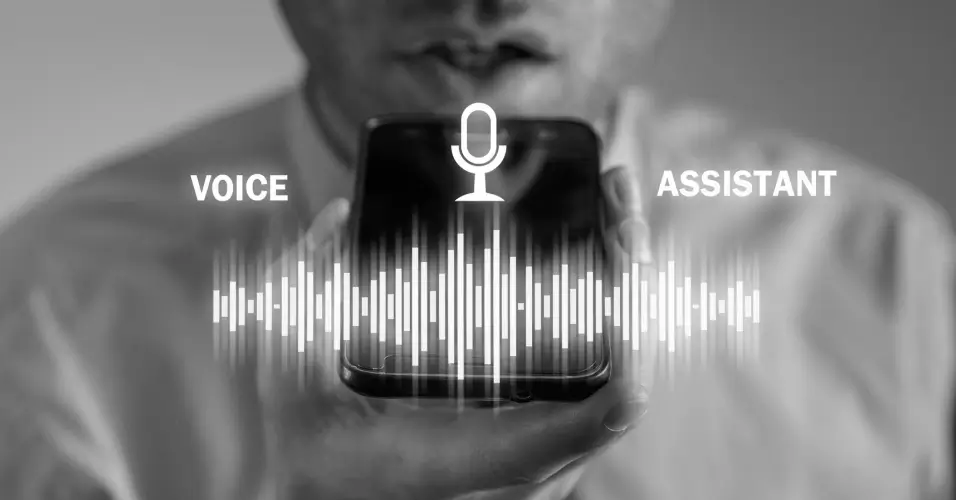
AI Voice Agents That Handle Calls the Way Your Best Agent Would
Phone calls are the channel most businesses have not yet automated well. Web chat and email have seen significant AI investment. Voice has lagged, partly because the technology was not ready, and partly because the bar for a voice interaction is higher. A caller who gets an obviously robotic response hangs up. AI voice agents that work in production sound natural, understand varied phrasing and accents, handle interruptions and course corrections in real time, and complete structured workflows without requiring the caller to navigate a menu or wait in a queue. The technology is ready. The question is whether the implementation is serious enough to meet the standard users expect.
01
02
03
What Is an AI Voice Agent
An ai voice agent is an AI system that conducts spoken conversations with humans in real time. It understands natural speech, interprets intent, accesses backend systems to retrieve or update data, and responds in natural-sounding language through text-to-speech synthesis. Unlike an IVR system that navigates a predetermined menu structure, an ai voice agent handles open-ended conversation, understanding what the caller needs regardless of how they phrase it, maintaining context across a multi-turn call, and completing tasks autonomously within a defined scope.
AI Voice Agent Services Built for Production Calls
AI voice agent services cover the full build from voice infrastructure design to a deployed agent handling live calls. This includes speech recognition optimised for the specific domain and caller base, natural language understanding trained on the actual queries the agent will handle, integration with the backend systems needed to complete workflows, and the latency engineering that makes the conversation feel natural rather than like waiting for a server response. Every element of the ai voice agent software stack is configured for the specific use case rather than defaulted to platform settings that work adequately for demos but degrade in production.
Conversational AI Voice Agents Across Business Functions
Conversational ai voice agents are deployed across a wider range of business functions than most organisations currently use them for. Inbound customer support, outbound appointment reminders, lead qualification calls, order status updates, payment collection, and survey completion are all structured workflows that conversational ai voice agents handle reliably at scale. The same underlying capability that handles a support query handles a sales qualification call, what changes is the workflow, the data sources, and the escalation criteria, not the core voice AI infrastructure.
Build a Voice AI Agent for Your Specific Workflow
The decision to build a voice ai agent is a product decision before it is a technology decision. What calls should the agent handle, what does a successful interaction look like, how does it escalate, and how is its performance measured? These questions are answered in the scoping phase before any infrastructure is built. AI voice agent solutions built without clear answers to these questions deploy into production with undefined success criteria, which means nobody can tell whether they are working or not.
Our AI Powered Voice Agents Services
01
Call Workflow Analysis and Scope Definition
02
AI Voice Agents for Business, Architecture Design
03
AI Voice Sales Agent Development
04
AI Voice Call Agent Integration
05
AI Voice Agents for Restaurants and Hospitality
What Makes AI Voice Agent Solutions Succeed in Production
Latency Is an Engineering Priority
Trained on Actual Call Data
Escalation Designed for the Voice Channel
Compliance Built In for Regulated Calls
What an AI Voice Agent Engagement Delivers
A completed AI voice agent engagement produces:
- A call workflow analysis identifying which interactions to automate and in what priority order.
- A production-ready ai voice agent trained on business-specific call data and domain vocabulary.
- Telephony integration connecting the agent to existing phone infrastructure with failover to human agents.
- Backend system integration allowing the agent to complete workflows rather than only providing information.
- Compliance controls for call recording consent, PII handling, and audit trail requirements.
- Performance monitoring tracking resolution rate, escalation rate, and caller satisfaction on a defined improvement cycle.
Frequently Asked Questions
What can an ai voice agent handle in a production call environment?
How do ai voice agents differ from IVR systems?
What does it take to build a voice ai agent that callers accept?
Do your ai voice agent services cover outbound calls as well as inbound?
How are ai voice agents for business integrated with existing phone systems?
What compliance requirements apply to ai voice agents in regulated industries?
Ready to Deploy AI Voice Agents That Handle Real Calls?
AI voice agents that perform in production are not configured from a platform interface.
Insight That Drives Decisions


Happy Users
Feedback
4.9

2k+ satisfied customers

From the start, Pendoah felt like an extension of our team. They understood where we wanted to take WorkLighter and helped us get there with clarity.
Bill West

Pendoah brought real clarity to the ProVal AI vision. They moved fast, understood the compliance challenges, and delivered a solution that made our validation process more efficient and reliable.
Steven Mattos

Pendoah understood the Lymelyt vision from day one. They helped us turn a complex idea into a polished, video-first platform that feels intuitive, trustworthy, and ready to scale.
Damon Pampolina

Pendoah built Airiam with speed and precision. They understood the product quickly and delivered a solution that improved both performance and user experience.
Greg Elmore
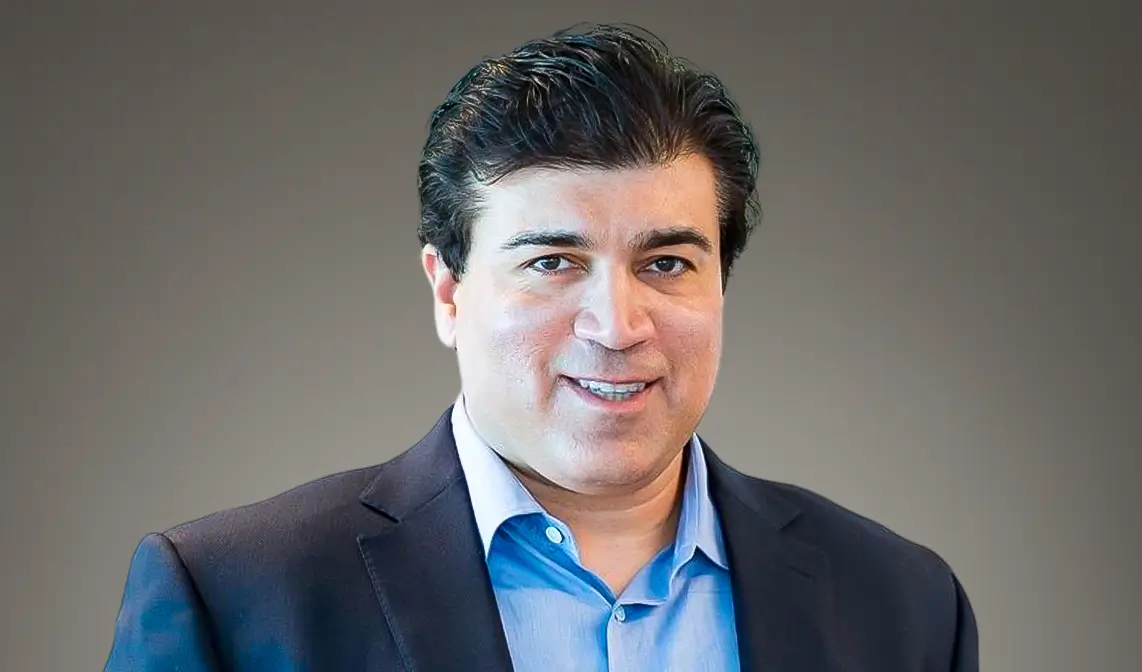
Pendoah was the right partner for GALSI. They combined speed, technical depth, and strong execution to build a platform ready for launch.
Dean Zikria
Let's Turn Your AI Goals into Outcomes. Book a Strategy Call.